It’s been a tough summer for air quality in Colorado, and our varied options for cooling our homes can make it even trickier to know what to do. Many homes in Colorado don’t have central air conditioning, and many older buildings rely on swamp coolers during heat waves. It’s no surprise that we’ve had a lot of questions about swamp coolers and window AC units bringing ozone or wildfire smoke into your homes.
With summertime ground-level ozone, the advice is clear: Get outside in the morning, then stay inside as ozone builds with the heat of the day. Closed windows will filter out most of the ultraviolet light that it needs to form, and the unstable molecule quickly breaks down when it touches indoor surfaces or reacts with indoor chemicals.
But what about wildfire smoke? Here are a few things you should know about how your cooling system might be bringing wildfire smoke indoors, and what you can do about it.
Should I run my swamp cooler on bad air quality days in summer?
Yes, because first and foremost, please stay cool in the summer heat! Heat exposure is a serious public health concern. Don’t try to sweat it out.
But unlike central AC, swamp coolers don’t have an air filter. So when there’s smoke outside, running your swamp cooler will bring it inside your home. But there’s a solution: Running standalone air purifiers with HEPA filtration in your home will help clean up your indoor air.
If you can only afford one air purifier, public health officials recommend setting up a “clean room” in your bedroom during wildfire events. Clean rooms are particularly helpful for individuals with chronic respiratory conditions, but they’re great for everyone: You’ll have a safe space to breathe while you sleep.
Some people with swamp coolers take a DIY approach and rig a MERV 13-rated furnace filter to the outside. We love the ingenuity, but keep in mind that the filter will be exposed to the elements, including our monsoon rains! You’ll need to change the filter often, but this can work in a pinch.
On days with only ozone pollution, and to save some money on your energy bills, you can also run your swamp cooler more in the morning, to pre-cool your home. For some, this method works so well that they can turn it off and close windows during the afternoon, to seal out both the heat and ozone, before running the unit again in the evening, before bed.
What about using my window or portable AC unit when air quality is bad?
Most window and portable AC units recirculate the air already inside your room or home, and don’t pull in significant amounts of outside air. If possible, EPA recommends closing the outside damper on your window AC unit during wildfire smoke events.
But window and portable AC units also present a secondary problem when it comes to wildfire smoke: There are usually air leaks around the unit that let wildfire smoke seep into your home. Seal the window and AC unit or vent kit as much as possible to prevent this seepage.
Similarly, you can use standalone HEPA air purifiers to keep your indoor air clean with window or portable AC units. For smoke and smells, an air purifier with an additional layer or carbon or activated charcoal filter is a great option!
I’m considering purchasing a heat pump for my home. How do they handle wildfire smoke?
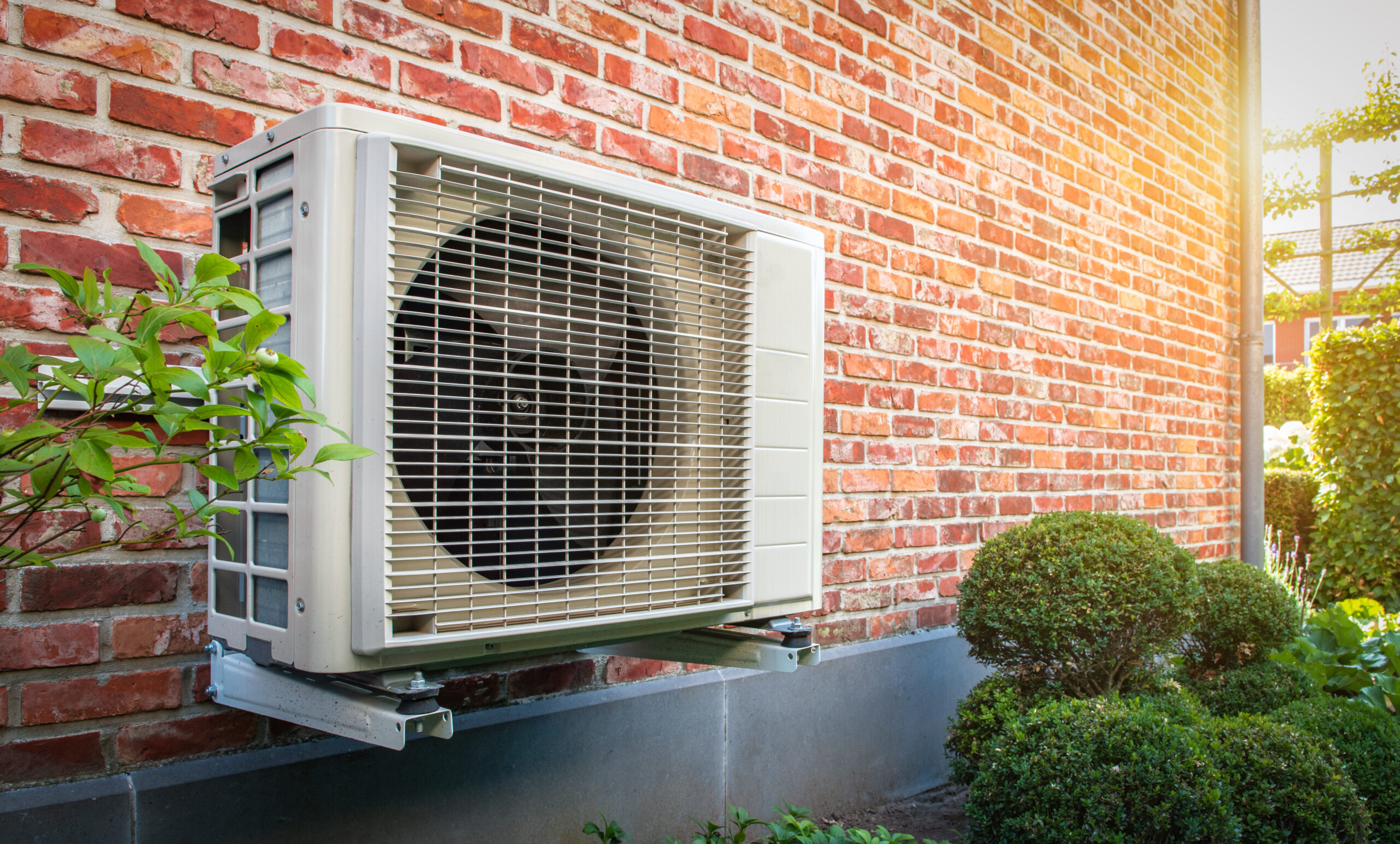
Heat pumps cool best in the summer by running them often, if not continuously, at a lower fan speed. You can take advantage of that continuous run time by using a MERV 13-rated filter on your system, turning your heat pump into one big air purifier that captures fine particulate matter from wildfire smoke before it enters your home.
MERV 13 filters are thicker than traditional filters, so check with your service provider about fitting one to your existing system. With new heat pumps, this can be included in your installation.
Because heat pumps are an efficient way to cool your home in the summer, they’re also a good way to lower the emissions that contribute to ground-level ozone formation! Learn more about Colorado heat pump tax credits and Power Ahead Colorado’s new heat pump rebates in the Denver metro region.
What about central air conditioning?
During wildfire smoke events, keeping windows closed and running central AC is a convenient choice. In addition, consider turning off your fresh air intake or setting your AC to recirculate. A MERV 13-rated filter on your HVAC can help here, too, letting you breathe a little easier this summer. If that’s still not enough to mitigate the smoke, standalone HEPA air purifiers are a great addition to homes and buildings with central air.
By the way, clean those surfaces!
Did you know it’s a good idea to clean surfaces in your home during and after a wildfire event? Air pollutants from smoke end up sticking on carpets, flooring, countertops, and even walls. Clean up with a wet mop or rag, or use a vacuum with HEPA filtration.