With gas prices still high, every little bit of fuel efficiency helps, and maintaining your car comes with an added bonus beyond your pocketbook: cleaner air. Improving your gas mileage goes hand in hand with reducing emissions, and that means cleaner, healthier air for everyone!
There are many ways you can help Colorado’s air quality this winter, and making sure your gas-powered vehicle is well maintained is an important one. Keeping up with maintenance and repairs helps your car run more efficiently, use less fuel, and produce fewer harmful pollutants.
Before you hit the road for grandma’s house this Thanksgiving, make sure your car is in tip-top shape for a winter trip with these tips.
Check your tire pressure
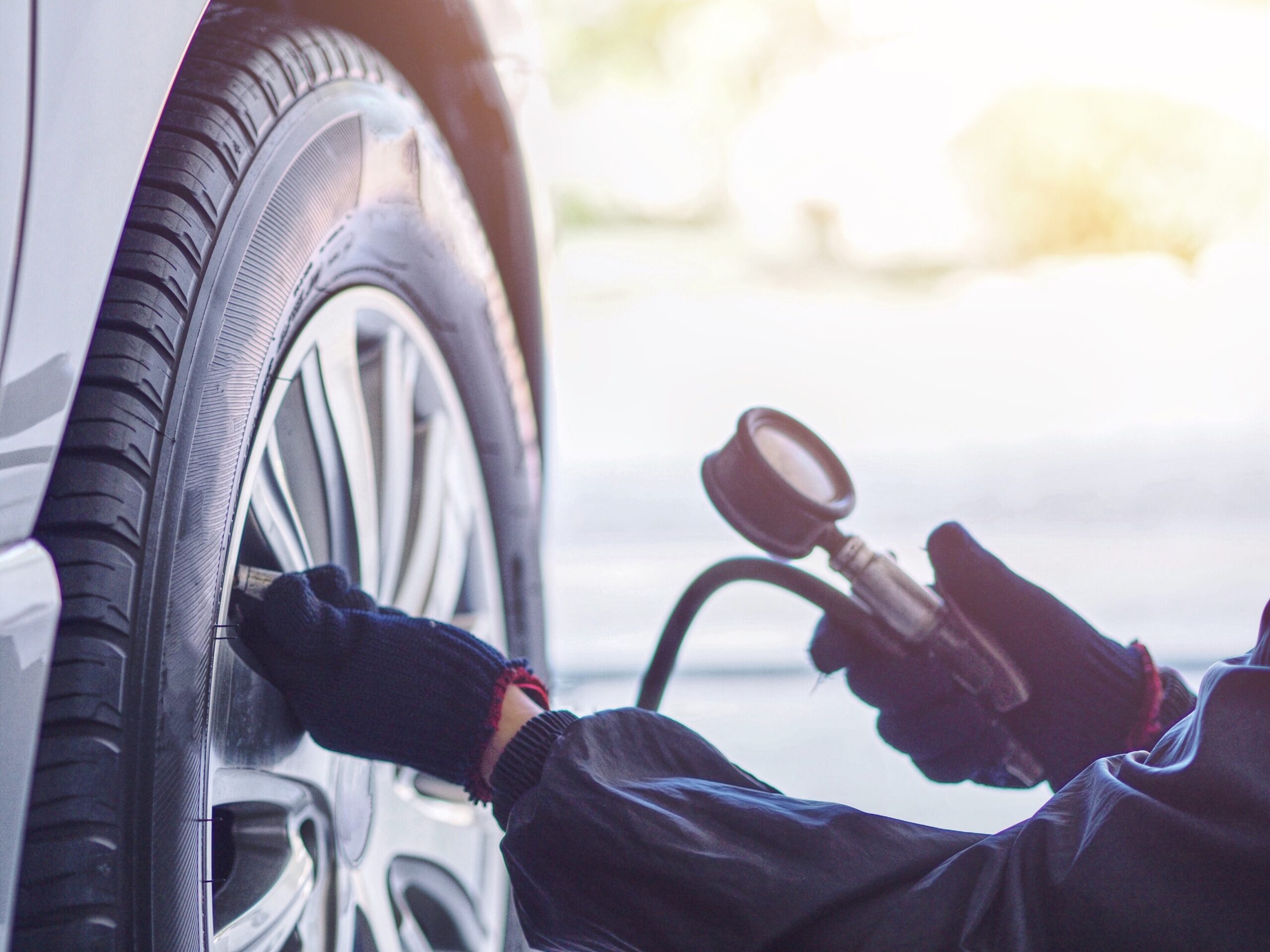
Does your tire pressure light flick on every fall when the temperature dips? That’s a good reminder to top off your tires for the winter. Keeping your tires at the recommended pressure helps your fuel economy, improves traction and safety, and helps your tires last longer, too.
Check your gas cap
Your gas cap plays a surprisingly big role in emissions! A loose, damaged, or missing gas cap lets fuel vapors escape. This can lower your fuel efficiency and even cause your vehicle to fail an emissions test.
Stay on top of maintenance and fix emissions problems promptly
Catching small problems early can help you avoid more expensive repairs later. If your vehicle has warning lights on, get it checked out quickly. It could indicate an emissions problem, such as a leak that could get worse. If your car starts running poorly or produces visible smoke, get it inspected quickly. These can also be signals that you have an emissions problem that could worsen with time and become a costly repair.
Get help with a big emissions repair
Emissions testing is required in the Denver Metro/North Front Range region for gas-powered vehicles more than 7 years old. We have emissions testing in this region because fixing high-polluting vehicles makes a big difference for air quality, but emissions repairs can be expensive.
Catalytic converters, which transform air pollutants such as nitrogen oxides and carbon monoxide into less harmful substances in a gas-powered car’s exhaust system, are important emissions-control devices. But catalytic converters are sometimes targeted for theft for their precious metals. Unfortunately for vehicle owners, it can cost $2,000 or more to replace or repair a damaged catalytic converter. (Check the comprehensive category in your auto insurance policy to find out if you’re covered.)
Other repairs to your emissions system can add up, too. But there’s help.
- Colorado has six Emissions Technical Centers across the Front Range that can provide free evaluations to diagnose the cause of failed emissions test. Learn more at the Colorado Department of Public Health and Environment website.
- The Regional Air Quality Council’s Clean Air Auto Repair (CAAR) program can provide financial assistance for expensive emissions repairs for high-polluting vehicles in the Denver Metro/North Front Range area. Vehicles must have failed their most recent Colorado emissions test to be eligible for funding for emissions repairs through a qualified vendor in the region. Exceptions may be made if your catalytic converter was stolen. Learn more about how maintaining your vehicle improves our air quality and find out if you could qualify for assistance with repairs at CleanAirAutoRepair.org.

Jenn Fields
Communications Contributor
Regional Air Quality Council